
When homeowners wake up to a sudden roof leak or storm damage, they reach for their phones. They want a reliable local pro right then. If your roofing company isn’t sitting near the top of those search results, those panicked customers are simply calling your competitors. That’s why building a strong online presence through targeted optimization matters so much. You want your business to show up the exact second local demand peaks.
SEO for contractors simply means setting up your website and online profiles so search engines actually get what you do. Once they understand your services, they can match you with homeowners in your area. [[KEEP_0]] This work involves cleaning up your site structure, sharpening your local map listings, writing genuinely helpful guides about roof repairs, and picking up mentions across the web to build real authority across the UK, USA, GERMANY, FRANCE, CANADA.
Table of Contents
- Understanding How Search Engines View Roofing Websites
- Conducting Practical Keyword Research for Roofers
- Optimizing Your On-Page Elements
- Mastering Local Map Listings and Citations
- Creating Content That Answers Homeowner Questions
- Technical Performance and Mobile Usability
- Measuring Success and Long-Term Value
- What is SEO and how does it work?
- Why is SEO important for your contracting business?
- What are the different types of SEO?
- SEO tools to implement what you've learned
- Frequently Asked Questions
Understanding How Search Engines View Roofing Websites
Search engines crawl billions of pages to decide which ones best answer a user query. When a homeowner searches for emergency roof repairs, the algorithm scans for specific clues. It checks your website text, reads your headings, and looks at how fast your pages load on mobile phones. If your site is difficult to use or lacks clear information about your service areas, the search engine will display a competitor instead.
Algorithms also evaluate how other websites talk about your business. Mentions on local business directories, customer reviews, and links from relevant industry sites signal trust. You can learn more about building a localized strategy by reading our Guide on local SEO for contractors to see how map visibility affects phone calls.
[[KEEP_0]]
Conducting Practical Keyword Research for Roofers
Keywords are just the actual words homeowners type into Google when their roof is leaking. Roofing companies often mess this up by targeting broad terms like roof repair. That brings in clicks from three states away instead of the neighborhoods you actually drive to every morning. Focus on terms linking your exact trade to your specific service radius.
Take a contractor working in a designated service area. You want phrases covering exact towns, neighborhood names and specific services like shingle replacement or metal roof installation. Pay attention to the actual questions homeowners ask, like how to spot hail damage or when a roof needs full replacement. Put these terms naturally into your headings, service pages and blog posts.[[KEEP_0]]
Optimizing Your On-Page Elements
On-page optimization just means the fixes you make right on your site so Google actually gets what you do. Every single page needs a clean title tag, a helpful meta description and properly structured headings. Your main service pages should spell out exactly what you work on. List the roof types you install, the specific materials you carry and the warranties you back your work with.[[KEEP_0]]
Keep your writing readable and direct. Don’t spam the same phrase over and over because Google hates keyword stuffing and will ding you for it. Write for a homeowner staring at a water stain on their ceiling, stressing out, and wanting honest answers fast. If you want a wider look at your site’s visibility, take a peek at our Practical growth guide for contractors.
Mastering Local Map Listings and Citations
Most roofing searches happen on phones right inside local map packs. Claiming and verifying your business profile on major mapping platforms matters a ton. Make sure your business name, address, and phone number match across every single directory on the web.
Ask happy customers to leave detailed reviews about the actual work you finished. [[KEEP_0]] When homeowners mention specific jobs like asphalt shingles or emergency tarping, search engines pick up extra context about your skills. Keep your hours fresh, upload real photos of completed jobs, and reply quickly to every single review that comes in.
Creating Content That Answers Homeowner Questions
Homeowners often research problems long before they request a quote. Writing helpful articles about common roofing concerns establishes your business as a trusted authority. Answer questions about insurance claims, the lifespan of different roofing materials, and signs of structural wear.
When you answer these questions thoroughly, you capture traffic from people who might eventually need a full replacement or major repair. Avoid writing vague fluff. Provide genuine, practical details about the roofing process so the reader feels confident in your expertise before they even pick up the phone.
Technical Performance and Mobile Usability
Your content can be brilliant. But if your site takes ten seconds to load on a smartphone, folks will bounce straight to a competitor.
Technical performance is everything when a homeowner is sitting at the kitchen table or standing on a roof looking for help on their phone. Keep your images compressed, get reliable hosting, and make that mobile menu dead simple to tap. [[KEEP_0]]
Fix dead links and run on secure protocols so people know their data is safe. Run technical audits every so often to catch small bugs before Google docks your rankings. For more on evaluating digital partners, read our advice on What to look for in an SEO agency for contractors.
Measuring Success and Long-Term Value
Tracking progress tells you which tactics actually bring in phone calls and form fills. Keep an eye on call volume, map views, and where your keywords rank week to week.
Shared lead platforms make you rent space and fight five other contractors for the exact same homeowner. Your own optimized website works differently. It builds a permanent asset that drives predictable revenue straight to your business.
Stick to a steady publishing schedule, keep asking for reviews, and update your pages when you branch into new towns. Building a solid search presence takes time. But the payoff is a reliable flow of high-margin roofing projects.

What is SEO and how does it work?
SEO stands for search engine optimization. It’s the process of making your website show up higher in search results when potential customers look for your services. You want your contracting business to appear at the top because most people never click past the first page. Search engines use automated programs to scan websites and figure out what each page is about. They look at your text, your images, and how fast your site loads.
When someone types a query into a search engine, the algorithm checks its index to find the best matches. It tries to deliver the most helpful and relevant answers possible. If your site has clear information about your services and is easy to read, the search engine is more likely to feature you. It isn’t an overnight fix. Building trust with search engines takes consistent effort and time.
Why is SEO important for your contracting business?
Think about how you find a plumber or an electrician when you need one. You pull out your phone and search. Your customers do the exact same thing. If your website is buried on page five, you’re missing out on phone calls and project leads. Organic search traffic is valuable because these users are actively looking to hire someone right now.
Paid ads work, but they stop the moment you turn off your budget. SEO builds lasting value for your business. Once you earn a top spot for a good search term, you keep getting traffic day after day without paying for every click. This steady stream of visitors helps you grow your crew and take on bigger jobs without blowing your marketing budget on constant ad spend.
What are the different types of SEO?
SEO breaks down into a few main categories that work together to get you noticed. You need to pay attention to all of them if you want real results. Here is how they split up:
- On-page SEO covers everything you put on your actual website pages, like service descriptions, headings, and images.
- Off-page SEO involves actions taken outside your website to build your authority, such as getting links from other reputable local sites.
- Technical SEO focuses on the backend health of your site, making sure it loads fast and works well on phones.
- Local SEO targets customers right in your service area, mainly through your map listing and local directories.
Focusing on just one piece leaves gaps in your strategy. A fast website with great text will still struggle if nobody in your town knows you exist. Take it one step at a time and fix the basics first. If you’ve questions about how to start, you can reach out via email at info@digitalknockers.com or send a message on WhatsApp at +92 306 555 6656 to talk about your options.
SEO tools to implement what you’ve learned
You’ve the knowledge, but you need the right gear to get the job work done right. Think of SEO tools like your truck toolbox. You don’t bring a hammer to fix a pipe. You need specific instruments to check your website health, track keyword ranks, and spot broken links.
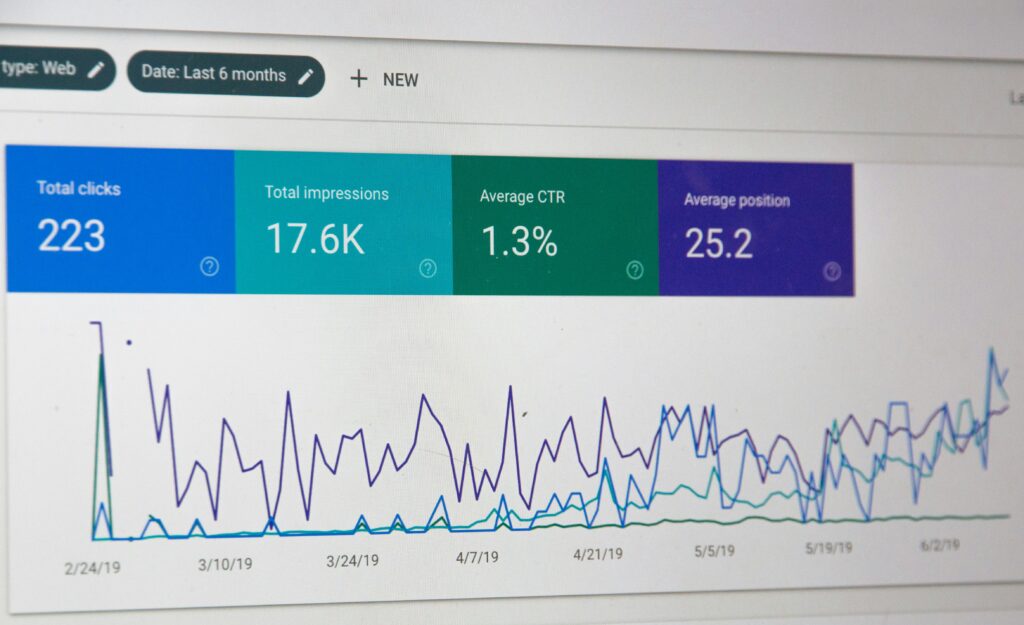
Start with free options before you spend any money. Google Search Console shows you what search terms bring people to your site and flags any mobile errors. Google Analytics tells you how long visitors stay on your pages and which contact buttons they click. These two tools give you a direct window into your user behavior.
When you’re ready to step up your game, look at paid software options like Ahrefs or Semrush. These platforms let you spy on competitor websites to see what search terms they rank for in your local service area. You can plug in your domain to find out who links to your pages and fix technical glitches fast. Pick one tool, learn its dashboard, and use it every single week to monitor your progress.
If you get stuck managing your tool stack, you can always reach out for help. Drop a message to info@digitalknockers.com or send a WhatsApp text to +92 306 555 6656 to talk about your setup.
Frequently Asked Questions
How long does search engine optimization take to show results for roofing companies?
Most roofing companies start seeing noticeable improvements in traffic and rankings within four to six months of consistent optimization work. The exact timeline depends on local competition, the current state of your website, and how actively you build reviews and citations.
Is local optimization more important than national keywords for roofers?
Yes, local visibility is essential because roofing is a service tied to physical locations. Ranking for terms in your specific service area brings in homeowners who can actually hire your crew for local repairs and installations.
Do I need a separate page for every roofing service I offer?
Creating dedicated pages for distinct services like shingle replacement, metal roofing, and emergency leak repairs helps search engines understand your exact capabilities. It also allows you to address specific questions homeowners have about each material or service.
Ready to Take Your Results to the Next Level?
Explore our proven solutions or connect with our subject experts today.