
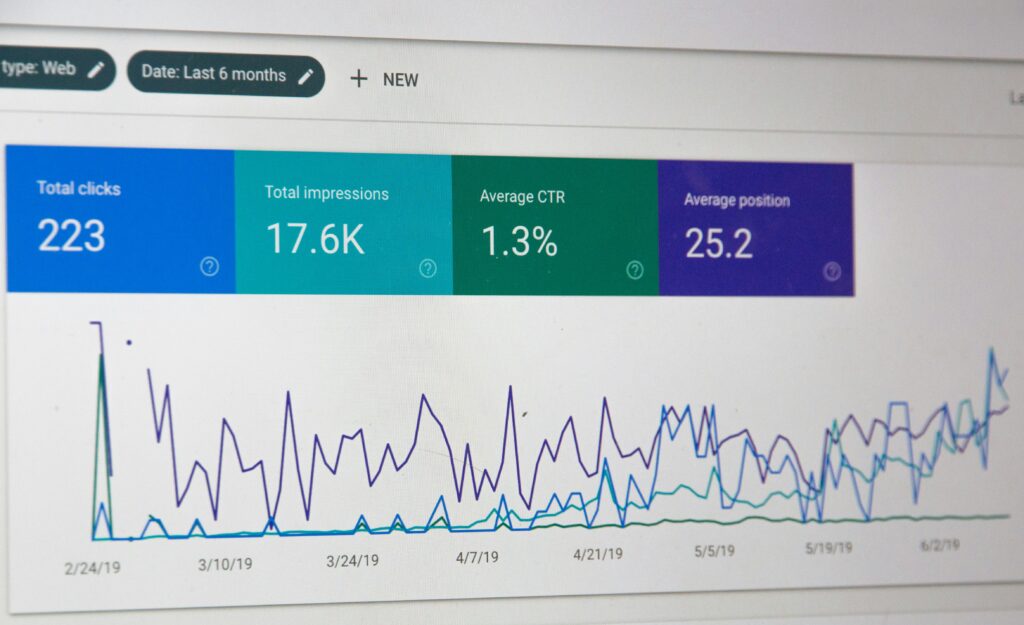
For many building professionals, search engine optimization feels like a black box. You know you need to be found online, but the advice often feels generic or too technical to apply to a busy construction schedule. This guide cuts through the noise to explain exactly how to rank higher in search results for your specific trade.
Effective SEO for general contractors is the process of optimizing your website and online presence so that potential clients find you when they search for services like “kitchen remodel near me” or “commercial renovation company.” It involves technical improvements to your site, creating helpful content, and building local authority. When done correctly, it drives consistent, high-intent traffic that converts into booked jobs, rather than relying on expensive, shared leads from third-party platforms.
Table of Contents
- Why Local Visibility Matters More Than National Reach
- Technical SEO: The Foundation of a Fast, Crawlable Site
- On-Page Optimization: Speaking the Language of Your Clients
- Building Authority with Quality Content
- Local SEO Strategies for Construction Businesses
- Measuring Success: Metrics That Actually Matter
- Common Mistakes to Avoid
- Next Steps for Your Construction Business
- Frequently Asked Questions
Why Local Visibility Matters More Than National Reach
Most construction work is local. A homeowner in Canada or a business owner in the UK is unlikely to hire a contractor from across the country. This means your SEO strategy should focus heavily on local search. When someone types a service plus their city or neighborhood, Google looks for businesses that are relevant, nearby, and trustworthy.
Your Google Business Profile is the foundation of this. It acts as your digital storefront. If your profile information is incomplete or inconsistent, you’ll likely rank lower than competitors with cleaner data. Ensure your business name, address, and phone number (NAP) match exactly across your website, social media, and directories. Inconsistencies confuse search engines and reduce trust.
Reviews also play a significant role in local ranking. They’re social proof that other customers had a positive experience. Encourage happy clients to leave feedback, but don’t incentivize them in ways that violate platform guidelines. Responding to reviews, both positive and negative, shows potential clients that you value feedback and are active in your community.
Technical SEO: The Foundation of a Fast, Crawlable Site
Before you write a single blog post, your website must be technically sound. Search engines use bots to crawl your site. If these bots cannot access your pages, they can’t rank them. Many construction websites built years ago are slow, cluttered, or difficult to navigate. These issues hurt your ranking potential.
Page speed is a critical factor. If your site takes more than three seconds to load, you risk losing visitors. Most construction sites are heavy with high-resolution images of past projects. While these images are valuable, they must be compressed to reduce file size without losing quality. Use modern image formats and enable lazy loading to ensure images only load when they enter the screen.
Mobile responsiveness is non-negotiable. A large portion of search traffic comes from mobile devices. A site that requires pinching and zooming to read will frustrate users and signal to Google that the experience is poor. Ensure your site has a responsive design that adapts smoothly to phones and tablets. This improves user experience and helps maintain higher rankings in mobile search results.
Tip: Use free tools like Google PageSpeed Insights to test your site regularly. These tools provide specific recommendations on how to improve loading times and mobile usability, giving you a clear roadmap for technical fixes.

On-Page Optimization: Speaking the Language of Your Clients
Once your site is technically healthy, you need to optimize the content on each page. This is where you tell search engines what your business is about. Every page should target specific keywords that your potential clients are actually searching for. Avoid generic terms like “construction services.” Instead, be specific. Use phrases like “bathroom remodeling in [your city]” or “commercial roofing contractors.”
Structure your content clearly. Use header tags (H1, H2, H3) to break up text. The H1 tag should be the main title of the page. H2 tags should describe the sections. This helps both readers and search engines understand the hierarchy of your information. Keep your sentences concise and your tone professional. Avoid jargon that might confuse a homeowner who isn’t familiar with construction terminology.
Internal linking is another powerful on-page tactic. Link relevant pages on your site together. For example, link your “Kitchen Remodels” page to your “Testimonials” page and your “Contact Us” page. This helps search engines understand the relationship between your pages and keeps users browsing your site longer. It also spreads authority across your site, helping multiple pages rank for different terms.
Building Authority with Quality Content
Content is not just about keywords. It’s about providing value. People often research their projects online before they ever call a contractor. They want to know costs, timelines, and design ideas. If your website answers these questions, you build trust. Create a blog or resource section where you can share helpful articles.
For example, a post titled “How Much Does a New Roof Cost in 2024?” is highly valuable. It attracts people in the research phase. When they see your expertise and transparency, they are more likely to choose you when they’re ready to hire. This type of content also earns backlinks, which are a major ranking factor. Other websites may link to your article as a resource, signaling to Google that your site is authoritative.
Don’t try to cover every topic. Focus on the services you offer and the questions your clients ask most. A few high-quality, detailed articles are better than dozens of thin, vague posts. Update your content regularly. Search engines prefer fresh, accurate information. If costs change or new building codes are introduced, update your articles to reflect current data.
Local SEO Strategies for Construction Businesses
Local SEO goes beyond just having a Google Business Profile. It involves creating location-specific pages for each area you serve. If you operate in multiple cities, consider creating a dedicated page for each. These pages shouldn’t be duplicates. Include local landmarks, client testimonials from that area, and specific project examples. This helps search engines understand your geographic relevance.
Local backlinks are also important. Get listed in local business directories, chambers of commerce, and community organizations. These links signal to Google that your business is active and reputable in that specific area. Avoid buying links from sketchy directory sites. Quality matters more than quantity. A link from a respected local news outlet or industry association carries more weight than a link from a spammy directory.
For a deeper dive into this specific area, you might explore our guide on Local SEO for General Contractors: A Practical Growth Guide. It covers the nuances of mapping out your service area and optimizing for local intent, which is crucial for trade businesses.

Measuring Success: Metrics That Actually Matter
It is easy to get lost in vanity metrics like page views or social media likes. For a construction company, the metrics that matter are those tied to revenue. Track your organic traffic, but more importantly, track your conversions. Are visitors calling you? Are they filling out your contact forms? Are they booking consultations?
Set up conversion tracking in Google Analytics. Define what a conversion looks like for your business. It might be a phone call, a form submission, or a request for a quote. Monitor these numbers monthly. If your traffic is up but your conversions are down, there may be an issue with your website design or your call to action. Clear, compelling calls to action guide visitors toward the next step.
Also, monitor your keyword rankings. Use tools to track where you rank for your target terms. If you’re ranking for “roofer” but not “emergency roof repair,” you might be missing out on high-intent clients. Adjust your content and technical SEO based on this data. SEO is an ongoing process, not a one-time fix. Regular monitoring allows you to stay ahead of competitors and adapt to changes in search engine algorithms.
Common Mistakes to Avoid
Many contractors make the same SEO errors that keep them stuck on page two or three. One of the biggest is neglecting mobile optimization. Another is ignoring local citations. If your business information is inconsistent across the web, you’ll struggle to rank. Take the time to audit your online presence and correct any discrepancies.
Another common mistake is keyword stuffing. Overloading your text with keywords makes it unreadable and can lead to penalties. Write naturally. Use keywords where they fit, but prioritize clarity and value. Search engines are smart enough to understand context. They don’t need you to repeat the same phrase five times in a paragraph.
Finally, do not expect overnight results. SEO is a long-term investment. It takes time to build authority and rank for competitive terms. Be patient. Focus on doing the work right, building quality content, and improving your technical foundation. The results will come, but they’ll take consistent effort over months, not days.
Next Steps for Your Construction Business
Improving your search engine visibility doesn’t require a massive budget or a team of experts. It requires a clear strategy and consistent execution. Start by auditing your current website and Google Business Profile. Fix any technical issues and ensure your local data is accurate. Then, begin creating content that answers the questions your clients are asking.
Consider working with a specialist who understands the construction industry. A Contractor Marketing Agency can help you work through local SEO and content strategy. They can help you build a system that attracts high-ticket clients and drives predictable revenue. The goal is to move away from shared lead platforms and build your own direct pipeline. Start small, stay consistent, and focus on providing value to your local community.
Frequently Asked Questions
How long does it take to see results from SEO for general contractors?
Most businesses see initial improvements within three to six months. Significant changes in rankings and traffic often take six to twelve months. SEO is a long-term strategy that requires consistent effort to build authority and trust with search engines.
Is local SEO more important than national SEO for construction companies?
Yes, for most contractors. Construction services are typically local. Prioritizing local SEO ensures you appear in searches for specific cities and neighborhoods, which is where your potential clients are looking. National SEO is only useful if you operate in multiple regions or countries.
Do I need a blog if I am a small construction business?
A blog is highly recommended. It allows you to target long-tail keywords and provide value to potential clients during their research phase. It also demonstrates your expertise and helps build authority, which can improve your overall rankings.
How much does SEO cost for a construction company?
Costs vary widely. Some businesses handle basic SEO in-house, which costs time rather than money. Hiring an agency can range from a few hundred to several thousand dollars per month depending on the scope of work. The investment should be weighed against the value of the leads you generate.
Ready to Take Your Results to the Next Level?
Explore our proven solutions or connect with our subject experts today.