

Getting found online is the first step to getting hired. For many contractors, Home remodeler SEO feels like a black box. You know you need it, but the jargon, the costs, and the conflicting advice can be overwhelming. This guide cuts through the noise. It explains how search engine optimization actually works for trade businesses and what you can realistically expect from it.
At its core, home remodeler SEO is the process of making your website easy for search engines to understand and rank for specific local searches. When a homeowner in your area types “kitchen remodeler near me” or “bathroom renovation services,” you want your business to appear at the top of those results. It isn’t about buying ads, though those can help. It’s about building a digital footprint that trusts search engines like Google to recommend you to potential clients who are actively looking for your specific skills.
Table of Contents
- Why Local Search Matters for Remodeling Businesses
- The Foundation: Setting Up Your Google Business Profile
- On-Page SEO: Making Your Website Work for You
- Building Authority With Backlinks and Citations
- Managing Expectations and Budget
- Common Mistakes That Hurt Your Rankings
- Measuring Success: What Metrics Matter
- Choosing the Right Partner for Your SEO
- FAQs About Home Remodeler SEO
Why Local Search Matters for Remodeling Businesses
People rarely search for a contractor in another country or even another state. They look locally. This is why local SEO is the backbone of any successful strategy for a remodeling company. Search engines use three main factors to decide who appears in the local map pack and the organic results list:
- Relevance: Does your business offer the service the user is searching for?
- Distance: How far away are you from the searcher?
- Prominence: How well-known and reputable are you in your local area?
To win in local search, you need to optimize for all three. Relevance comes from your website content. Distance is fixed. Prominence is built through citations, reviews, and consistent branding. If your business listing on Google Business Profile differs from your website, search engines get confused. This inconsistency can hurt your rankings. Consistency is key. Your name, address, and phone number (NAP) must match exactly across the web.
The Foundation: Setting Up Your Google Business Profile
Before you spend a dollar on content or backlinks, your Google Business Profile (GBP) needs to be perfect. This is the card that appears in the map results. It’s often the first thing a potential client sees. Many contractors fill this out quickly and move on, leaving out crucial details.
Start by selecting the correct categories. For a remodeling company, “Home Remodeler” is the primary category. You can add secondary categories like “Kitchen Remodeler” or “Bathroom Remodeler” if those are your specialties. Do not stuff keywords into the description. Write a clear, human sentence about what you do. For example, “We specialize in full kitchen and bathroom renovations for residential clients in the area.”
Upload high-quality photos. This isn’t optional. Profiles with photos get significantly more calls and direction requests. Show before-and-after shots. Show your team. Show the tools. Authenticity builds trust. A stock photo of a generic kitchen doesn’t look as good as a photo of your actual last project.
Tip: Post updates on your Google Business Profile weekly. These can be a new project, a tip for homeowners, or a special offer. Google treats these posts as fresh signals of activity.

On-Page SEO: Making Your Website Work for You
Your website is the center of your digital presence. If it’s slow, hard to navigate, or full of generic filler text, you will lose clients. On-page SEO involves optimizing the elements you control directly on your site.
Page Speed is critical. If your site takes more than three seconds to load on a mobile device, you’ll lose visitors. Most homeowners search on their phones. Use compressed images and efficient hosting to keep load times low.
Content Structure matters. Use clear headings. H1 tags should be unique to each page. H2 and H3 tags break up text. Write for the reader, not the robot. Use natural language. If you offer bathroom renovations in a specific city, have a dedicated page for that. A page titled “Bathroom Remodeling Services” is good. A page titled “Bathroom Remodeling in [City Name]” is better for local targeting.
Don’t forget meta descriptions. These are the short summaries under your title in search results. They should be compelling and include your primary keyword naturally. A good meta description acts like an ad. It convinces the user to click your link instead of the competitor’s.
Building Authority With Backlinks and Citations
Backlinks are votes of confidence from other websites. When a reputable local news site, a home improvement blog, or a local directory links to your website, search engines see your business as an authority. You don’t need to buy backlinks. That is a risky move that can lead to penalties.
Instead, focus on local citations. These are online mentions of your business name, address, and phone number. Directories like Yelp, Angi, HomeAdvisor, and local chamber of commerce sites are all citation sources. The goal is consistency. If your address is listed as “123 Main St” on one site and “123 Main Street” on another, it creates confusion. Use tools to audit your citations and correct any discrepancies.
Earning editorial backlinks is harder but more valuable. Write guest posts for local home improvement blogs. Offer to speak at local community events. Get featured in local newspapers for a unique project. These links are hard to fake, which makes them powerful ranking signals.
Managing Expectations and Budget
SEO is a marathon, not a sprint. It takes time. Most businesses don’t see significant changes in organic traffic for three to six months. If an agency promises you number one rankings in two weeks, be skeptical. Search engines are conservative. They want to make sure the results they show are genuinely helpful and relevant.
Budgets vary widely. You might spend a few hundred dollars a month on content and local management. Or you might spend several thousand dollars on a full-service agency. The cost depends on your location, your competition, and your goals. In highly competitive markets, the cost of living and the number of competitors drive up the price of SEO services. In smaller towns, it may be less expensive.
Consider what you’re actually paying for. Are you paying for hours of work, or for results? Many agencies charge retainer fees for ongoing management. This includes technical fixes, content creation, and link building. It’s an investment in your long-term digital asset. Your website should grow in value over time as it accumulates authority.
Common Mistakes That Hurt Your Rankings
Many contractors make the same errors. Understanding them can save you time and money.
- Ignoring Mobile Optimization: If your site is not mobile-friendly, you’re invisible to half your potential clients. Check your site on your phone. Is it readable? Are the buttons clickable?
- Neglecting Reviews: Reviews are social proof. Respond to every review, positive or negative. A polite, professional response to a negative review shows you care. A lack of response looks like you do not.
- Keyword Stuffing: Don’t force keywords into your text. It reads poorly and can hurt your rankings. Write naturally. If the keyword fits, use it. If it does not, leave it out.
- Ignoring Technical Issues: Broken links, missing alt text on images, and slow loading speeds all hurt your site. Regular technical audits are necessary.
Measuring Success: What Metrics Matter
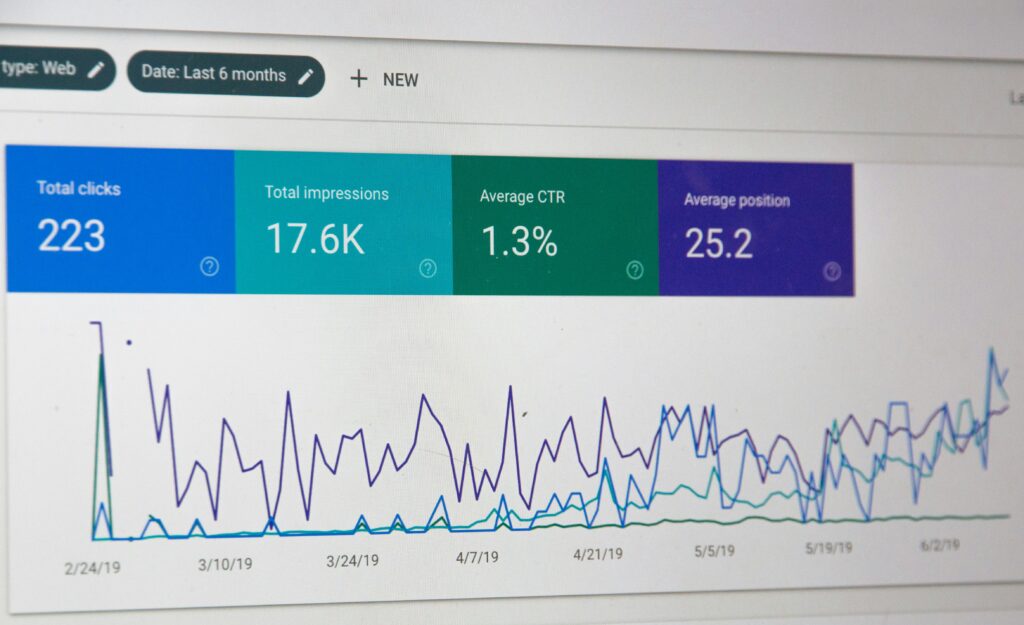
How do you know if your SEO is working? You need to track the right metrics. Vanity metrics like “impressions” are less useful than action metrics.
Track Local Rank. Where do you appear when you search for your core services in your target area? Use tools to monitor this over time.
Track Website Traffic. Are you getting more visits from organic search? Google Analytics provides this data. Look for trends, not daily spikes.
Track Conversions. This is the most important metric. Are people calling you? Are they filling out your contact forms? Are they booking consultations? If your traffic is up but your calls are down, you’ve a website problem, not an SEO problem.
Set up call tracking. This is a service that gives you a unique phone number for your website and Google Business Profile. When someone calls that number, you know exactly where they came from. This data is gold. It tells you which channels are actually bringing you clients.
Choosing the Right Partner for Your SEO
You can do SEO yourself. It is possible. But it takes time and expertise. If you’re busy running your business and managing crews, hiring a partner might be the better choice. Look for a partner who understands the construction industry. They should know the difference between a remodeler and a general contractor. They should understand your sales cycle.
Ask potential partners for case studies. Do not just look at the logo of a client you recognize. Look at the metrics. What did they do? What were the results? How long did it take? A good partner will be transparent about their process. They will explain how they measure success. They won’t guarantee specific rankings, because that’s impossible.
If you’re ready to take control of your online presence, SEO services for home remodelers can help you build a system that attracts high-value clients. The right partner will treat your business like their own, focusing on long-term growth rather than quick fixes.
FAQs About Home Remodeler SEO
How long does it take to see results from SEO?
Most businesses see initial changes in three to six months. Significant growth in traffic and leads often takes six to twelve months. SEO is a long-term strategy. It compounds over time. Don’t expect overnight results.
Is SEO expensive for small contractors?
It depends on your goals and location. You can start with a small budget for local optimization and content. Costs increase as you target more keywords and broader areas. Many agencies offer tiered packages to fit different budgets.
Do I need a new website for SEO?
Not always. Many existing websites can be optimized. However, if your site is very old, slow, or poorly structured, a redesign might be necessary. A technical audit will tell you if your current site is salvageable.
What is the difference between SEO and PPC?
SEO is organic. You earn your rankings. PPC is paid. You pay for clicks. SEO builds long-term authority. PPC provides immediate traffic. Many businesses use both together for a balanced approach.
Can I do SEO myself?
Yes, if you’ve the time and interest. It requires learning about keywords, on-page optimization, and local citations. Many contractors find that hiring a specialist allows them to focus on their core business while the expert handles the digital side.
Ready to Take Your Results to the Next Level?
Explore our proven solutions or connect with our subject experts today.