

Running a trade business means you spend most of your time on jobsites, managing crews, and talking to clients. Sitting at a desk to write articles or take photos of your work probably sounds like a chore. Yet, homeowners and commercial property managers search online for answers long before they pick up the phone to hire a contractor. If your business answers those questions clearly, you build immediate trust.
Content marketing for construction businesses is the process of creating and sharing helpful information about your trade to attract property owners, build trust, and win projects without relying entirely on shared lead platforms.
Most contractors struggle to see results from digital publishing because they treat it like a traditional advertisement. People scroll past standard sales pitches on social media and search engines every single day. They pay attention to practical guides, honest cost breakdowns, and clear explanations of how a project comes together. When you share real knowledge about your trade, you position your business as the obvious authority in your service area.
Table of Contents
- Building Trust Before the First Phone Call
- Choosing the Right Topics for Your Trade
- Using Photos and Videos from Real Jobsites
- Converting Readers Into Paying Clients
- Real World Examples of Content That Wins Construction Contracts
- How to Pick Up New Subcontractors With Search Terms and Related Words
- Building True Contentment for Clients Through Honest Project Updates
- How Do You Get More Construction Leads Using Email Marketing?
- Frequently Asked Questions
Building Trust Before the First Phone Call
Homeowners feel nervous about hiring contractors because they worry about poor workmanship, hidden fees, and unfinished projects. You can remove that anxiety long before you ever speak to them. Writing detailed guides about the materials you use, the steps involved in a kitchen remodel, or how to maintain a residential roof gives potential clients the reassurance they need. When a reader spends ten minutes reading your article and finds clear, honest answers, they already view you as a reliable professional.
Trust matters more than a flashy logo or a clever slogan in the building trades. Property owners want proof that you know local building codes, understand structural engineering challenges, and respect their homes. Publishing articles that walk through common jobsite problems shows your exact level of expertise. You don’t need fancy industry jargon or exaggerated claims. Plain, direct communication proves your competence far better than any marketing trick.
Choosing the Right Topics for Your Trade
Every solid publishing strategy starts with the real questions customers ask you on the phone or out at an estimate. Keep a pad handy and write down every single question you hear during a normal week [[KEEP_0]] on the job. Homeowners constantly worry about project timelines, permit requirements, material durability, and realistic budgets. Turn those exact conversations into online articles and your business will show up right when local clients search for help.
A roofing contractor might write about how to spot hidden storm damage before a leak ruins drywall. An electrician might explain the difference between a modern circuit breaker panel and an outdated fuse box. These topics attract people who are actively trying to solve a problem. Avoid writing generic pieces about the history of architecture or vague tips that apply to any business. Stick closely to the specific details of your daily work, because those details are what separate professional tradespeople from handymen who cut corners.
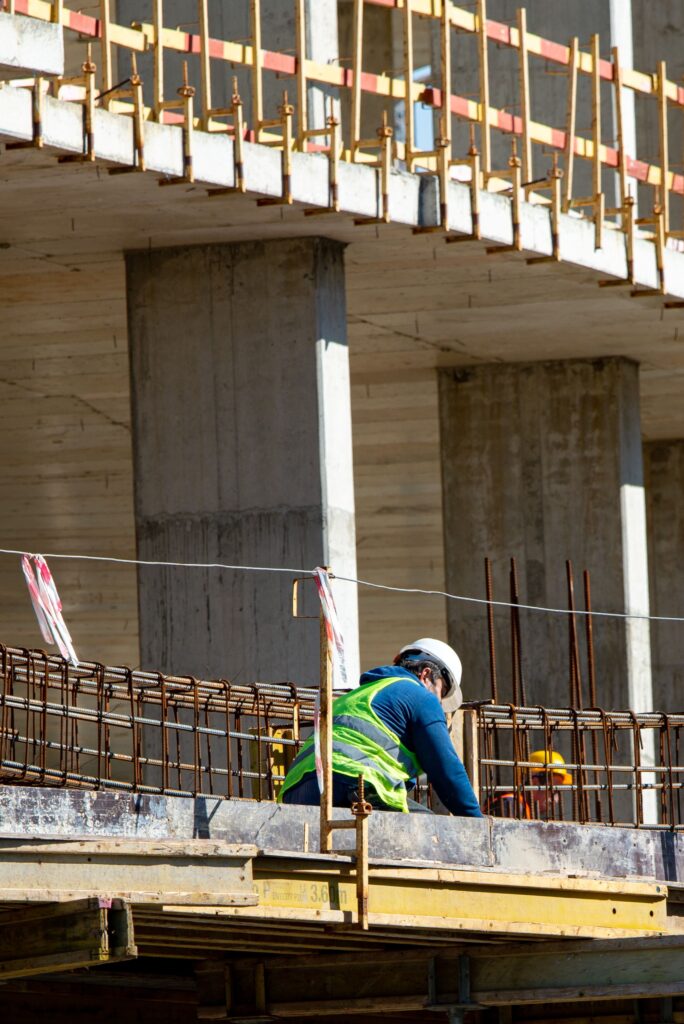
Using Photos and Videos from Real Jobsites
Words do a lot of heavy lifting. But visual proof changes the game.
Smartphone cameras make it pretty simple to grab high-resolution shots and short clips while the crew is actually working. Snap some framing stages, clean plumbing rough-ins and finished tile work. Put those pictures right next to your articles so people see the standards you keep on every single job.
Property owners love seeing the hidden parts of construction. You know, the stuff that gets buried behind drywall or flooring.
Explain how you insulate an exterior wall or reinforce a load-bearing beam. That builds real confidence in your structural integrity. Honestly, you don’t need a fancy film crew or expensive lighting gear. Just use natural light, a steady hand and an honest look at your work area. That’s all the credibility you need.
Contractors get busy. Many look for outside help to keep their publishing schedule on track while they stay focused on fieldwork. Checking out What is a marketing contractor? can help you decide whether to handle publishing in-house or partner with an agency. Finding the right support lets you keep a steady flow of educational material moving without pulling your key team members away from active jobsite management.
Converting Readers Into Paying Clients
Getting people to your site is just half the job. Someone finishes reading your guide on bathroom waterproofing, and now they need an obvious way to reach out. Drop a simple contact form or your phone number right at the bottom of the article. Match your call to action to what they just read. If the page covers roof replacement costs, ask them to book a free roof inspection.
Skip the annoying pop-ups and high-pressure sales talk while they’re trying to read. Give them the facts first, then explain how your team can step in and run the project. When your writing shows you know your stuff and your site makes booking painless, you get a lead machine that works without buying shared leads. If you want to learn more about our approach, read about Effective content marketing for construction businesses to see how we help trade contractors build predictable, high-margin revenue.
Real World Examples of Content That Wins Construction Contracts
You might wonder what a winning piece of content actually looks like in the trades. Let’s look at a few clear examples you can use on your own site. A framing crew might publish a guide on how to spot water damage behind drywall before it rots the studs. A concrete contractor could share a post breaking down why stamped patios crack and how proper prep stops it.
These pieces work because they answer specific questions property owners type into search bars every day. When you write them, keep your tone direct. Skip the heavy industry jargon. Speak plain English so a busy homeowner or commercial property manager understands the value right away.
Here is a quick list of content formats you can put together this week:
- Step-by-step guides for minor DIY fixes
Behind the scenes looks at heavy equipment maintenance
Checklists for hiring a licensed sub-contractor
Each of these options positions your crew as the smart choice before anyone asks for a quote. Pick one format to test on your blog this month.

How to Pick Up New Subcontractors With Search Terms and Related Words
When you write for your contracting business, you need to use the exact words your buyers type. If you only use high-level engineering terms, you’ll miss out on everyday people. Think about how a normal person describes a leaky roof or a sagging foundation. They use words like fix, patch, leak, and crack.
Search engines look for these related words to figure out if your page matches what the user wants. If you talk about roofing, you should also include words like shingles, flashing, gutters, and leaks. This helps Google realize your article covers the whole topic naturally.
Weaving these terms into your pages doesn’t mean you should stuff them in blindly. Write your paragraphs like you’re talking to a client sitting across your desk. If a sentence sounds weird out loud, change it. Good writing flows easily and keeps the reader hooked until the end of the page.
Building True Contentment for Clients Through Honest Project Updates
Getting a big build done on time brings a real sense of contentment to property owners. Construction projects cause stress. Dust, noise, and delays wear people down fast. You can ease that anxiety by publishing honest updates about how your jobs really go.
Share stories about how you handled a sudden plumbing issue behind an old wall or how you sourced rare lumber during a supply crunch. When clients read about your problem-solving skills, they feel safe handing over their hard-earned money to you. They know you’ll not run away when things get tough.
Keep your messaging positive and steady. Answer phone calls quickly and update your project logs every week. That level of transparency builds a bond that lasts long after the final nail goes in. If you want to talk about how to shape your online messaging, reach out to us at info@digitalknockers.com or drop a message on WhatsApp at +92 306 555 6656.
How Do You Get More Construction Leads Using Email Marketing?
You probably think email is dead. It’s not. In the building trade, your inbox is where serious decisions happen. Property owners and project managers check their mail every morning. If your latest project update is sitting right there, you stay top of mind.
Building a list takes time. Don’t buy one. People hate spam. Instead, collect addresses from old quotes, website forms, and jobsite signups. Send out a short update once a month. Show off a completed kitchen. Explain how you solved a tricky drainage problem. Keep it brief and visual.
Here is what you need to include in your monthly builder newsletter:
- One finished project with clear photos
- A quick tip on seasonal home maintenance
- A direct link to book a free estimate
People want to work with tradespeople they trust. Consistent emails prove you’re reliable and active in your local area. If you want help setting up your campaigns, drop us a line at info@digitalknockers.com or message us on WhatsApp at +92 306 555 6656.
Frequently Asked Questions
What is content marketing for construction businesses?
It is the practice of creating helpful, educational material about your trade, such as cost guides and project walkthroughs, to attract local clients, build trust, and win high-ticket projects.
How long does it take to see results from contractor publishing?
Building an organic audience takes time and consistency, usually requiring several months of publishing regular, helpful articles before search engines send steady traffic to your site.
What topics should a construction company write about?
You should write about the exact questions your customers ask you every day, including permit requirements, material choices, project timelines, and realistic budgeting for your specific trade.
Do I need professional photos for my construction blog?
No, clear smartphone photos taken straight from your active jobsites work best because they show real craftsmanship and authentic work without looking overly staged.
Ready to Take Your Results to the Next Level?
Explore our proven solutions or connect with our subject experts today.